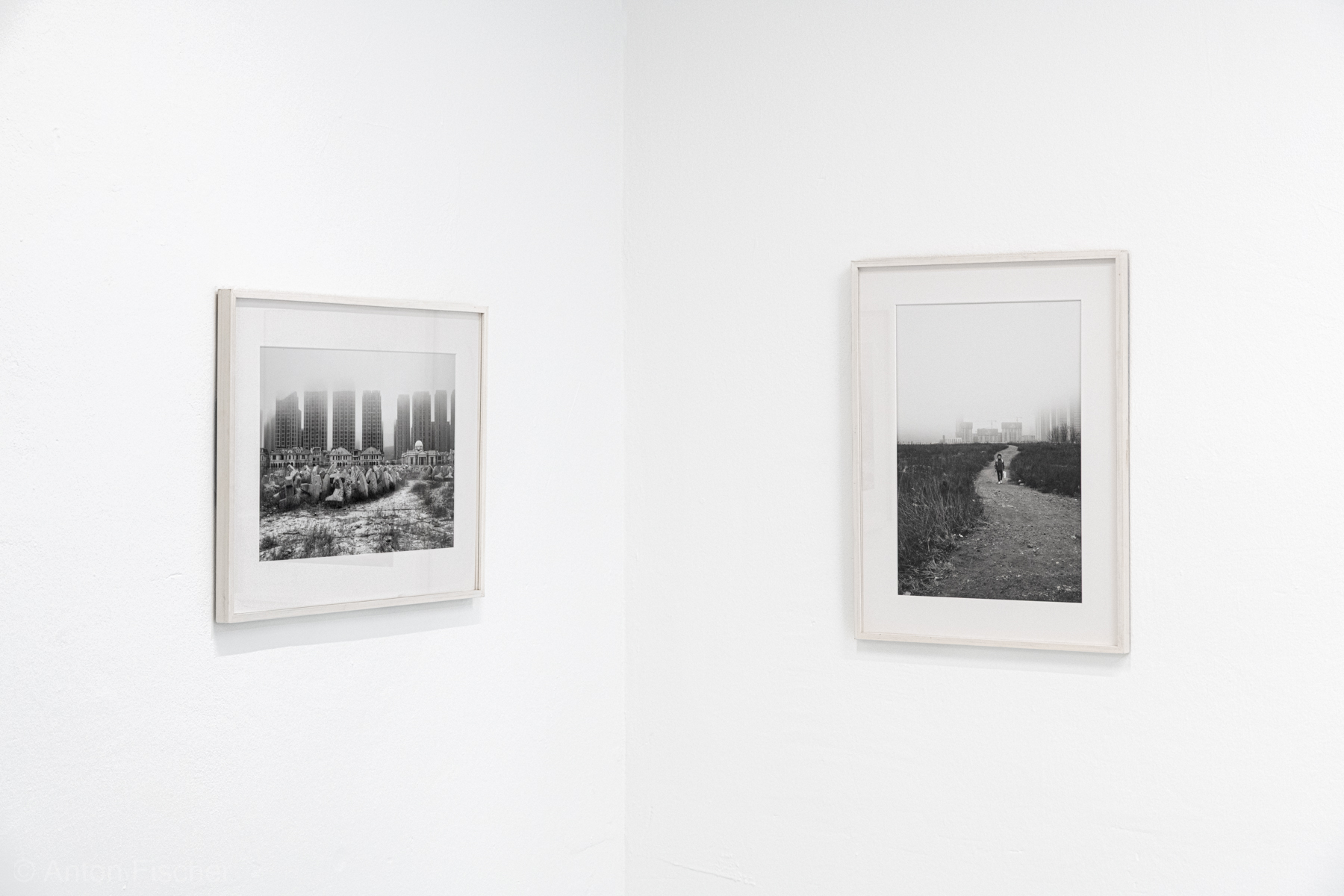
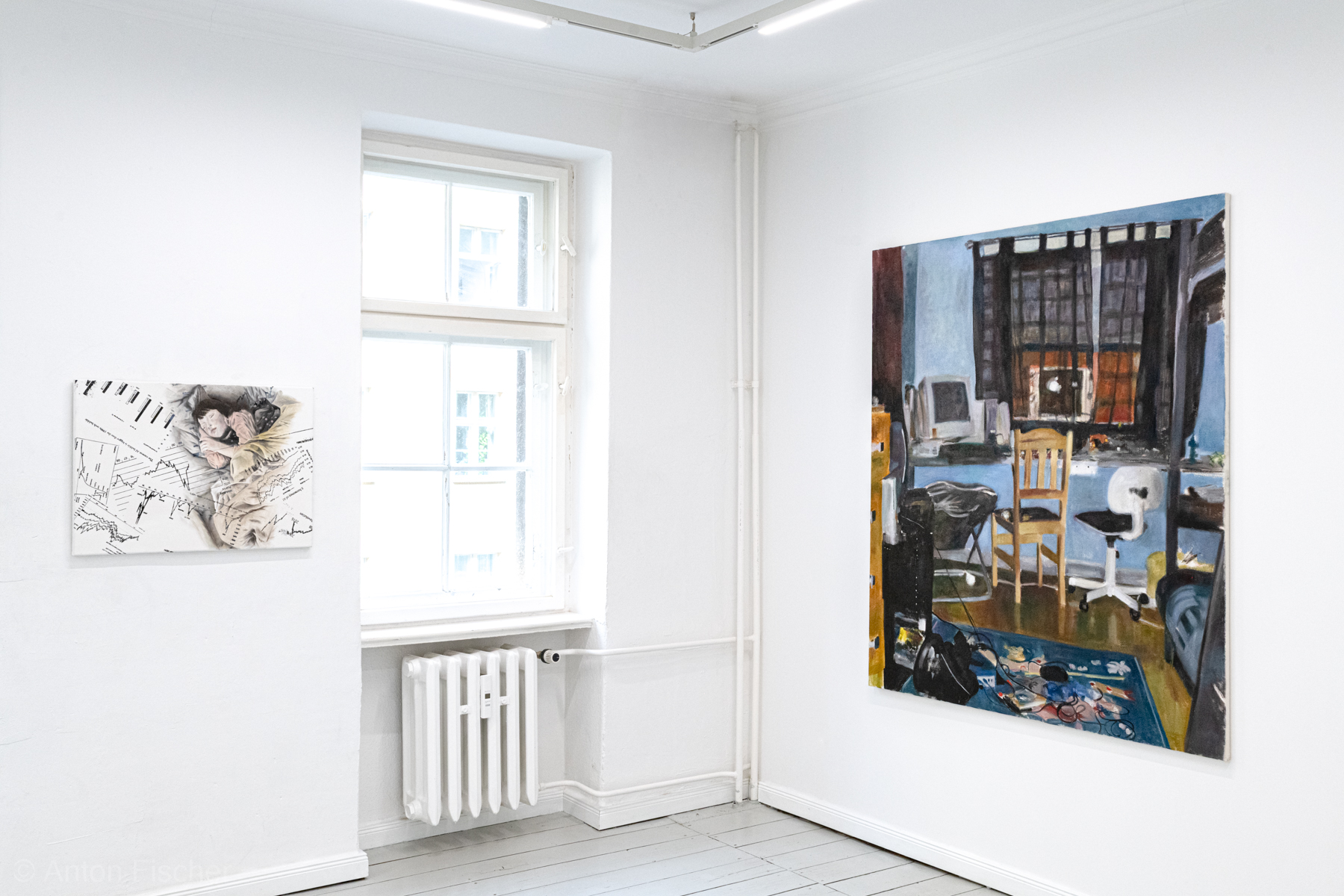
Open Tabs
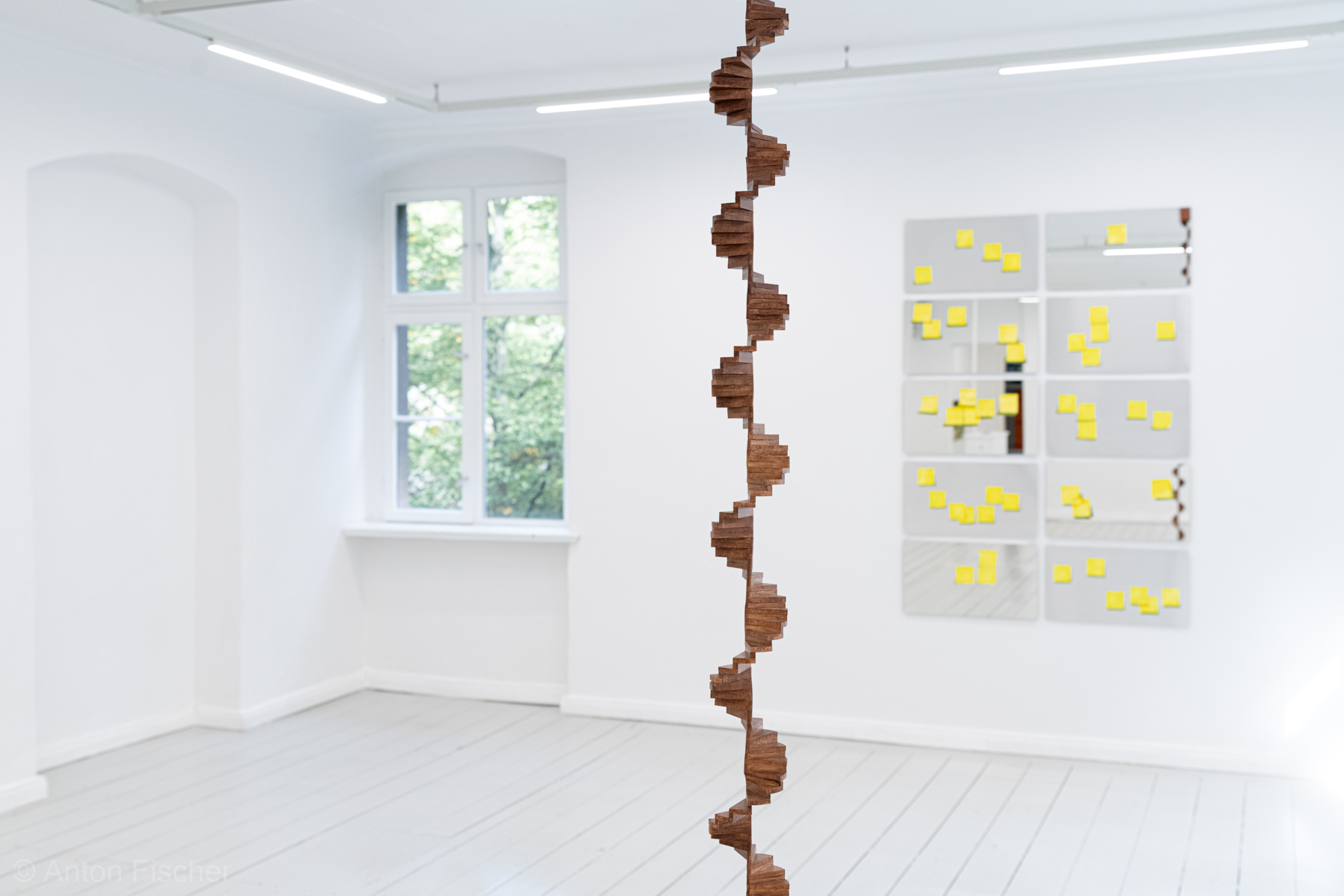
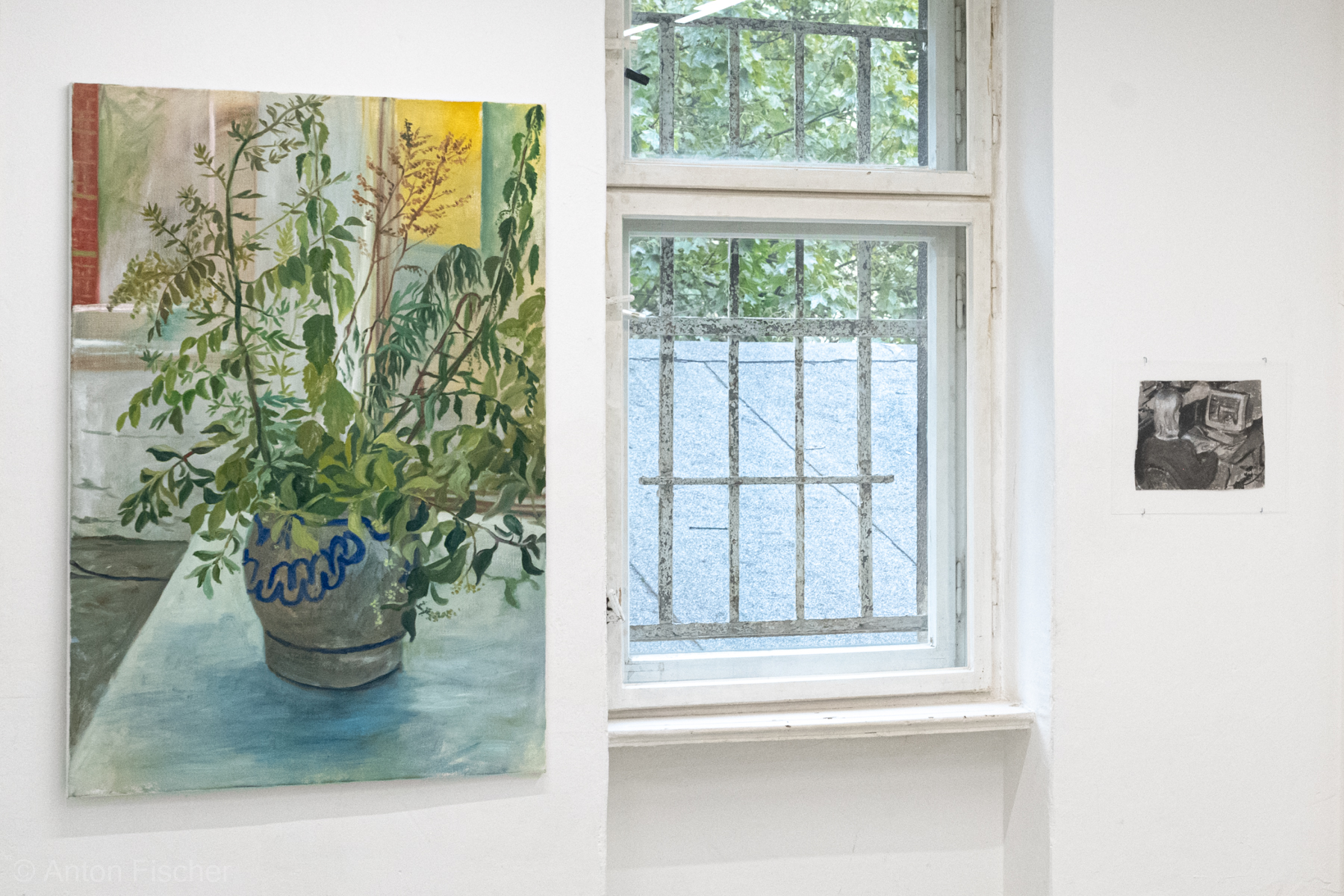
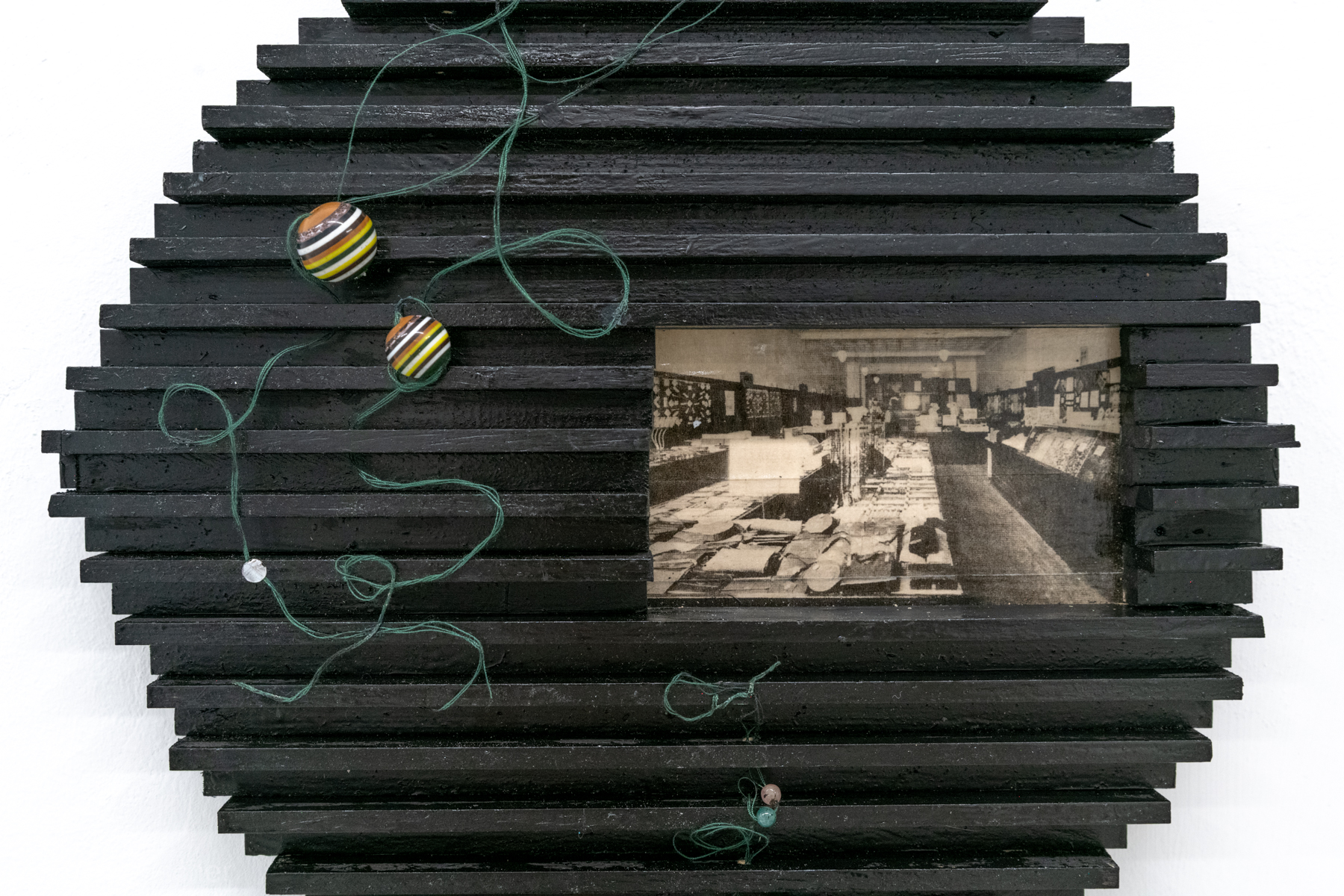
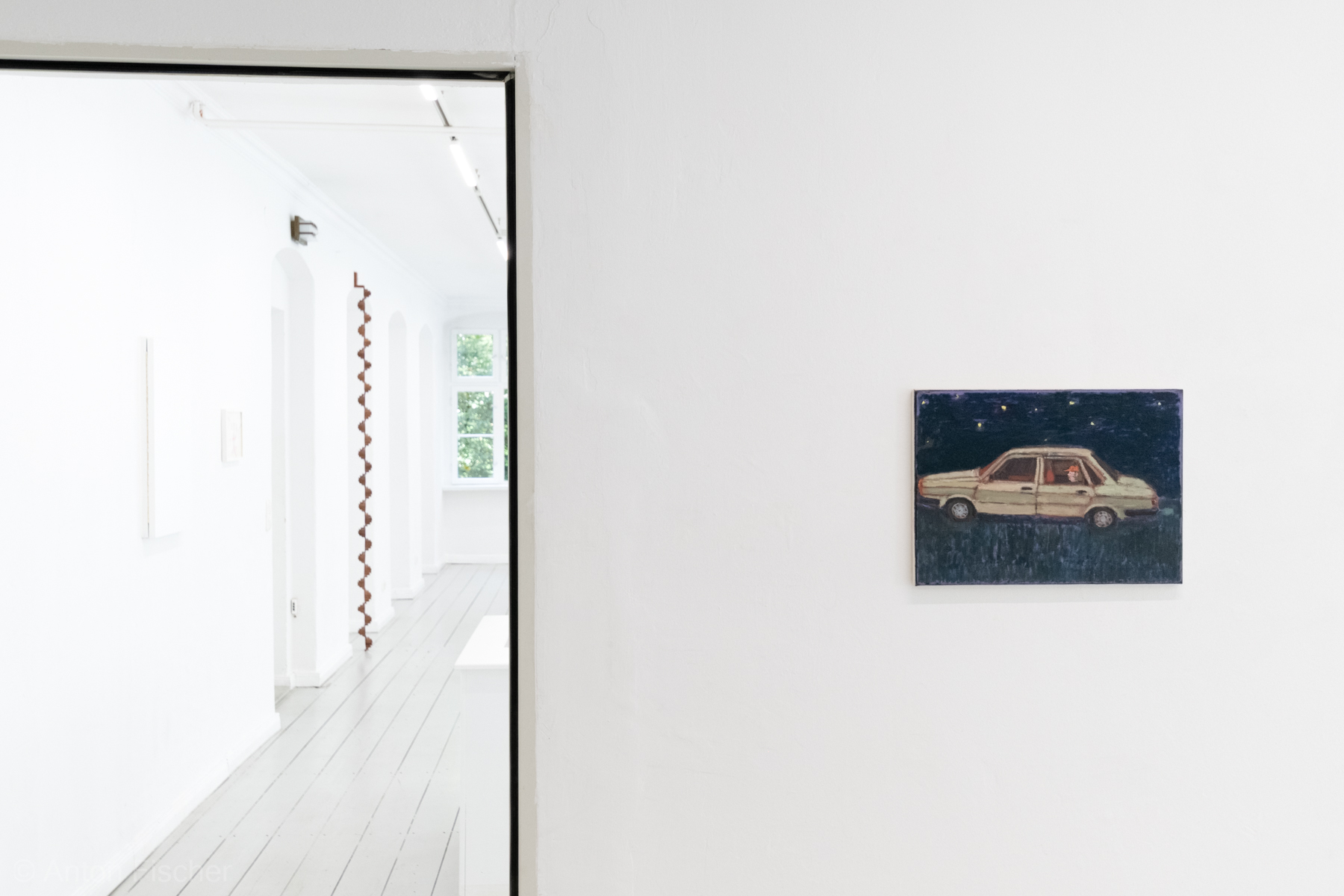
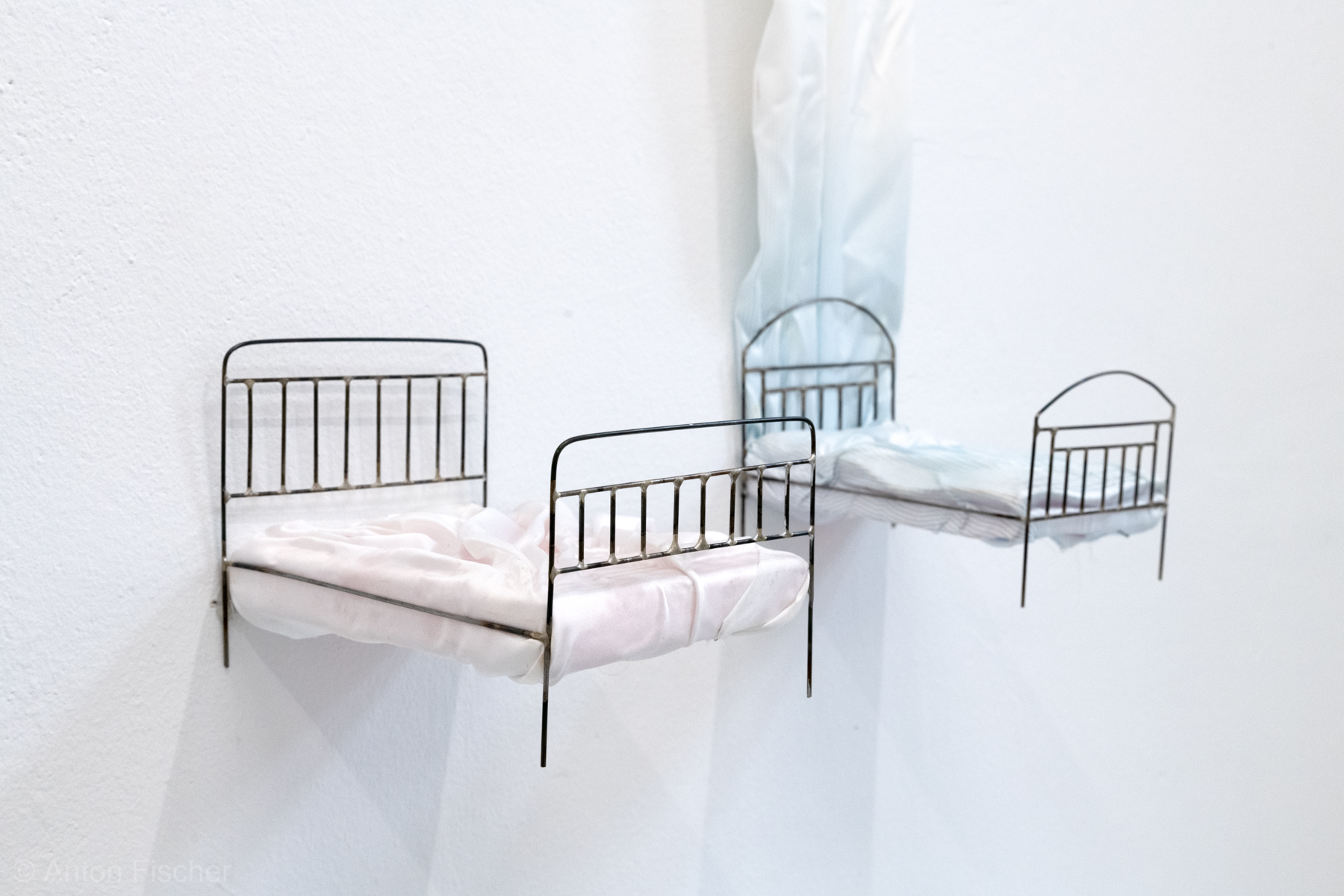
Paula Breuer | Philipp Ernst | Maria Hummer | Paula Hummer | Joachim Lenz | Kevin Lowenthal | Paul Mecky | Alice Peach | David Schiesser | Babette Semmer
When have offices entered our lives? Are they younger than houses? For most of the existence of our species, the office, our bread-winning practices, our work, was performed wherever we were in the world: fields, forests, savannas. Survival was to collect, to gather, and to hunt what the world could offer. We worked in the open. Not yet digital nomands but nomads all the same, we worked wherever our dwelling was at that time, preparing weapons, storing our food.
Everything however evolves, changes, adapts, transforms. And as we started to settle down, living and working were performed on the same piece of land. This still happens throughout the world with people who farm. Here, a house for the humans: who must work. There, a house for the animals: who must work. A plot of land, for plants to also, in a way, perform their work.
As our societies changed, settling into a space called the city, the first spaces we could call offices evolved for the administrative class. Are Ämter older than Büros? It's likely, though Büros stem from a similar administrative origin, bureaucracy. The power of the desk, the power of the office. Everything evolves, changes, adapts, transforms: the house, from the cave; the church, from the ecclesia; the office, from the tabularium, officium. A desk for each gig. The table, for eating. The desk, for writing.
The pandemic of 2019-2023 made us once again rethink these spaces. Must we separate, within cities, where we live and where we work? As I have claimed above, this is not new. It was like this before, and it still is for many communities, depending on their bread-winning practices. Even machines, once thought to belong to offices, are now in every house, and then on every hand. The office computer, the family computer, the mobile phone. Our intimacy with machines grows, and they bring the office to every space, at the same time that they bring our private life into the public sphere.
Who has never heard someone say: my whole life is in my phone? This has already caused a major blurring between the private and public spheres, between the home and the office. The clear separation between work and rest disappears when a person can be reached by a boss at anytime, anywhere, unless specific rules are determined. Humans conduct business from their dinner table. They close deals from airplane seats. They solve work problems during a romantic date. Every second of our waking time becomes an opportunity for work.
There is, of course, also a blurring in the other direction. Digital influencers turn their own life into a merchandise, sellers of a lifestyle, with product placements: make-up, perfume, gym clothes, their own bodies as statements of their quality as lifestyle workers. And from office desks, humans conduct conversations with parents, siblings, lovers. The chief operating officer of a company may start a board meeting five minutes after sending a text breaking up with a boyfriend or girlfriend. The hyperconnectivity of everyone with everyone brings the structures of power in the world into every aspect of our lives.
Office. Buro. Oficina. Kantoor. Bureau. Ufficio. Kontor. Kancelář. Hofisi. Skrifstofa.
Everything has an effect on our mental health, and we are only beginning to understand what this may cause in our society. Are we no longer alienated from ourselves and our nature because we can perform our capitalist bread-winning practices from home, from a phone? Because we can send a text message saying I LOVE YOU to another human being from the middle of a board meeting? Because we can invest in stock next to our children or friends in a kitchen?
Ricardo Domeneck
Opening 10. Sep 6:00 PM